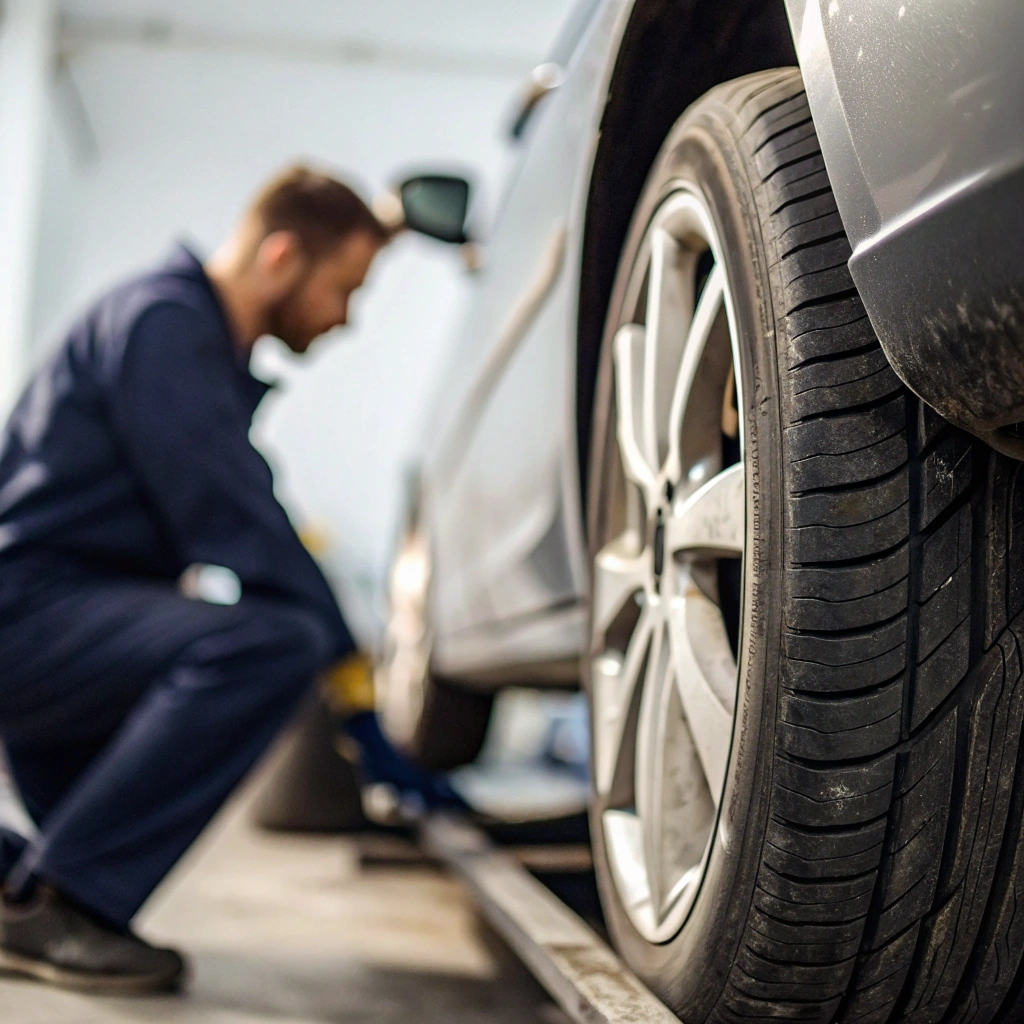
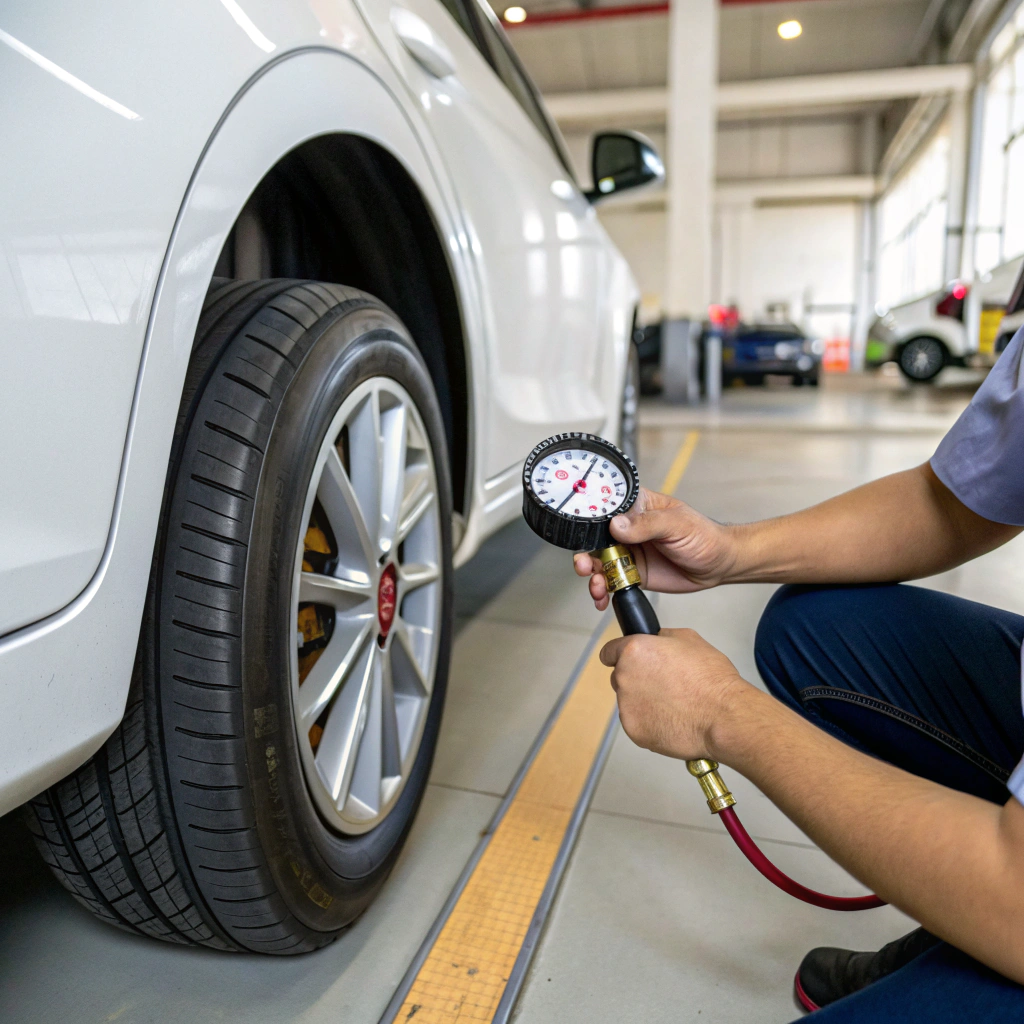
It has happened to most of us. We're on our way to school or work, and we hear that dreaded sound of a flat tire or a blowout. Some sort of debris in the road has left you with a damaged tire and an immobile vehicle. This situation always brings on frustration. Now you must deal with getting your car to a tire repair shop. The tire has to be properly assessed to perform the necessary repair or replacement service. Depending on where the puncture is located and the severity of the damage, the tire will either only need a simple repair or be replaced.
Tires are crucial to the safe performance of our vehicles. For the continued safety of your car, mechanics must utilize the best possible way to fix your tire. The availability of options leads to some debate over what is the "best" way to fix a tire and keep your vehicle safe. Is a plug repair sufficient, or do I need to replace the tire? Here are some considerations to determine which tire repair method is the best option for you.
When is Tire Plugging an Option for Tire Repair?
A tire plug is performed using malleable rubber that when inserted into a puncture will expand and trap air from getting out. Tire plugging should be a temporary fix for a damaged tire and not a permanent solution for proper tire repair. It is safe to drive with a tire plug for a short time, as the intent of the repair is to allow the car to be drivable so that you can reach the tire store. A plug can only be used on small holes — those up to ¼ inch in diameter. Tire plugs should only be used on the tread of the tire, not on or near the sidewalls.
When to Replace a Damaged Tire?
Nobody wants to replace a new tire or a tire with plenty of tread still left. But the reality is that our safety should always come first. Your tires are your most important automotive part and the only automotive part that touches the road. The deciding factors on whether a tire can be repaired depend on how much damage has occurred and where the damage is located. The following situations will always warrant a new tire:
•
Any damage to the shoulder or sidewall of the tire
•
Large holes anywhere in the tire of more than ¼" in diameter
•
Evidence of any severe damage, such as tread separation or large gashes
•
The tire is damaged in a previously repaired area
The most important thing to remember is that any tire damage is a safety hazard and should be dealt with immediately. Your tires need to be checked and maintained regularly for damage, wear and tear, and lifespan. Replacing damaged tires is always safer, but some tire damage can be safely repaired to give you thousands of miles more use from your tire.